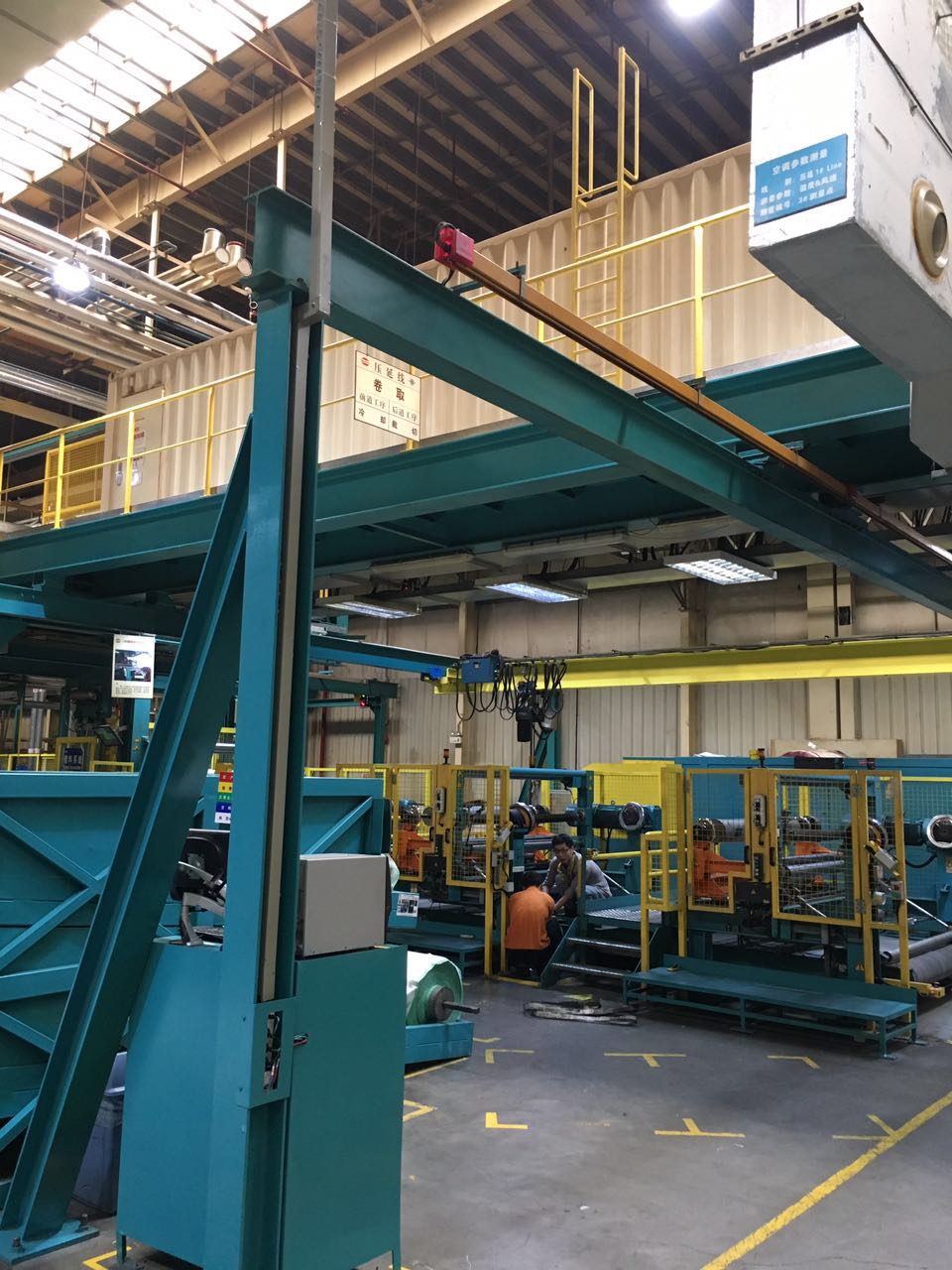
Coal mining industry: In coal mining and transportation, large conveyors are one of the key pieces of equipment. After long-term use, belts may become damaged or aged and require on-site splicing. For example, at the Shangwan Coal Mine of Shendong Coal Group, the heavy-duty belt conveyor in the main inclined shaft showed wear; Shendong Power Company quickly spliced a 10-meter-long belt by on-site vulcanized splicing, ensuring normal hoisting and transportation in the mine.
Port logistics industry: Loading and unloading operations at ports cannot do without belt conveyors, and large leather belts can ensure efficient cargo handling after on-site splicing. For example, at the coal terminal of Qinhuangdao Port Authority, a belt needed on-site splicing due to aging; technicians used professional vulcanizing equipment and technology to complete the belt splice in a short time, reducing interruptions to port operations and improving loading and unloading efficiency.
Steel and metallurgy industry: On the production lines of steel plants, large leather belts are responsible for conveying finished steel products. At the ironmaking plant of Ansteel, an important conveyor belt suffered local damage. In order not to affect production, they adopted the on-site splicing method to repair and join the damaged section, ensuring the continuity of production.
Building materials industry: Building materials enterprises such as cement plants and sand and gravel plants also use belt conveyors extensively to convey materials. In a cement plant, a large leather belt cracked after long-term use; the manufacturer arranged a professional team to carry out on-site splicing using an advanced cold bonding process, so that the belt quickly returned to normal operation and the impact on production was reduced.
 Technical Consultation
 Sales Consultation