
Accurate and efficient order picking is increasingly becoming a decisive factor in a company's success.
Monty conveyor and processing belts, roller drive belts, and round belts meet the different conveying and handling requirements of, for example, distribution centers, postal parcel centers, and airports.

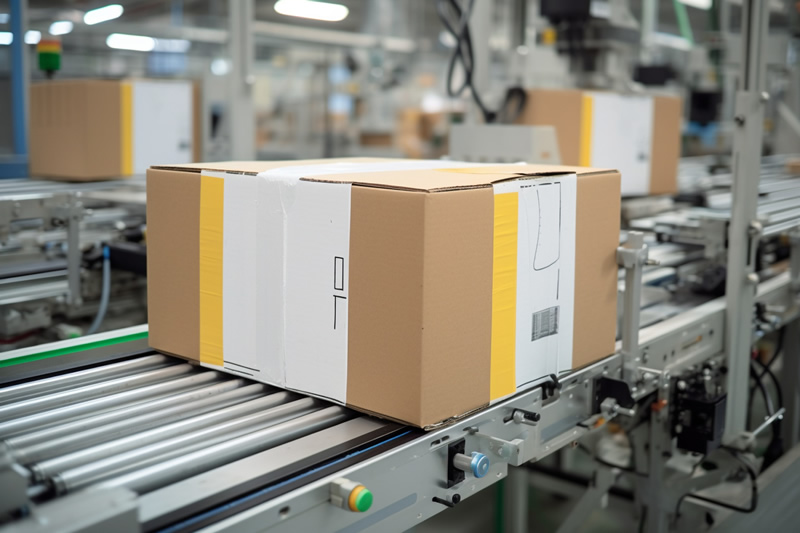
The Monty product range can meet the complex requirements of distribution center conveyor belts.
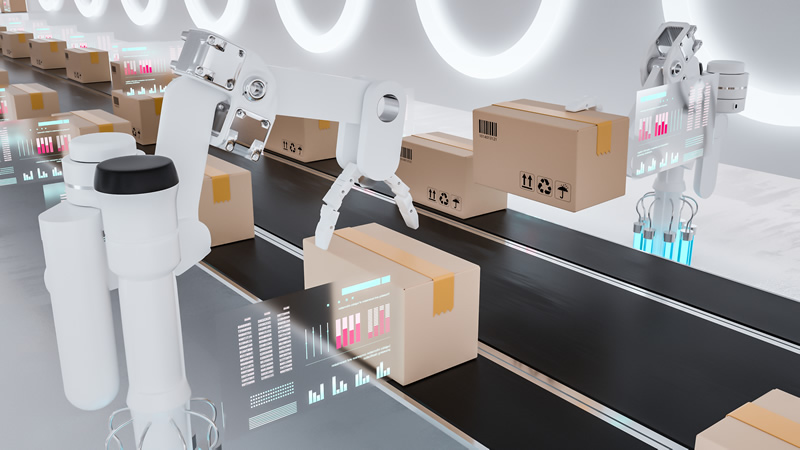
Monty's conveyor belt and drive belt product lines cover the most common conveying tasks in the logistics field.
For special applications, such as energy-saving operation, the distribution center conveying requirements are complemented by energy-saving belts and several other conveyor belts.
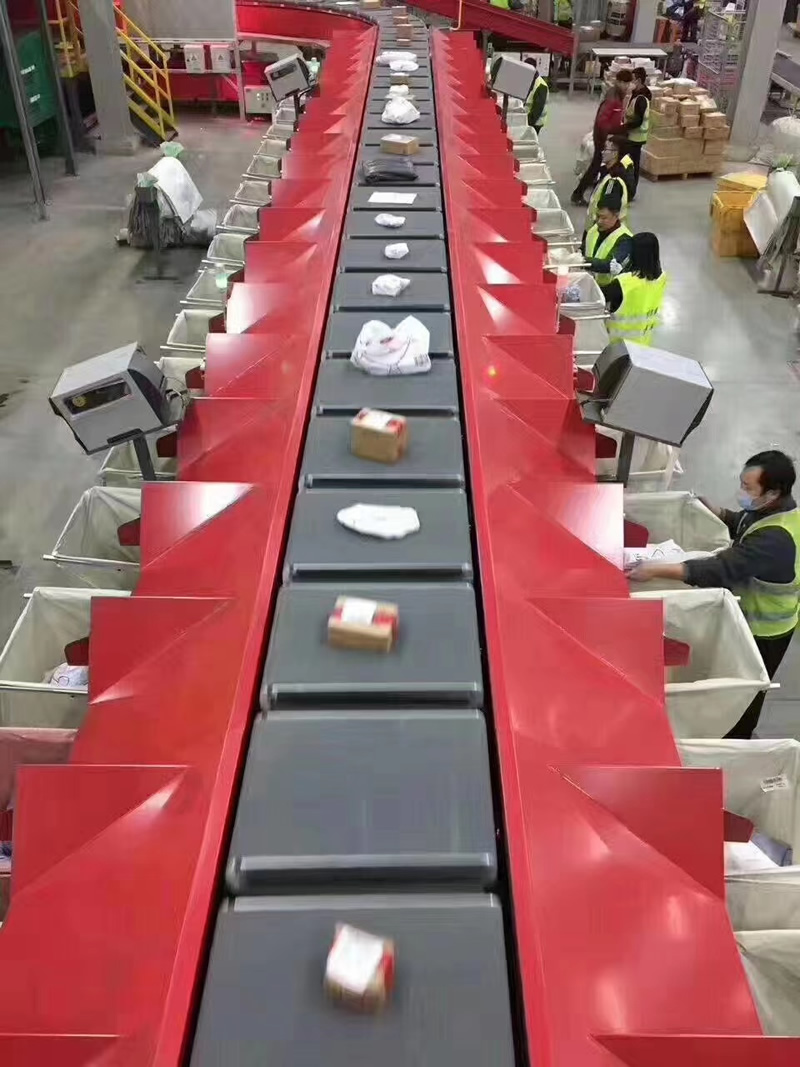
When pushers and diverters are used, the lateral stiffness of the conveyor belt ensures its flatness and directional stability.
A very smooth, robust surface facilitates the conveying and diverting of goods.
Cross-belt sorters require ultra-thin, flexible conveyor belts with a high surface friction coefficient. With special tension members, power consumption is very low.
Even when a conveying task seems simple, there are still many requirements for the conveyor belt.
The belt types provided by Monty are suitable for various items, conveying speeds, reversible systems, start-stop conveying and accumulation conveying, and other working conditions.
Examples of the diverse functions of Monty conveyor belts include: from troughability to belt types with particularly good lateral stiffness / from extremely low noise to flame retardancy / from pyrolysis resistance to suitability for conveying bulk food / from non-antistatic to high conductivity and ATEX certification / from surfaces suitable for accumulation conveying to particularly good grip.
Horizontal conveying using troughed belts. The tension member structure provides flexibility in the required direction.
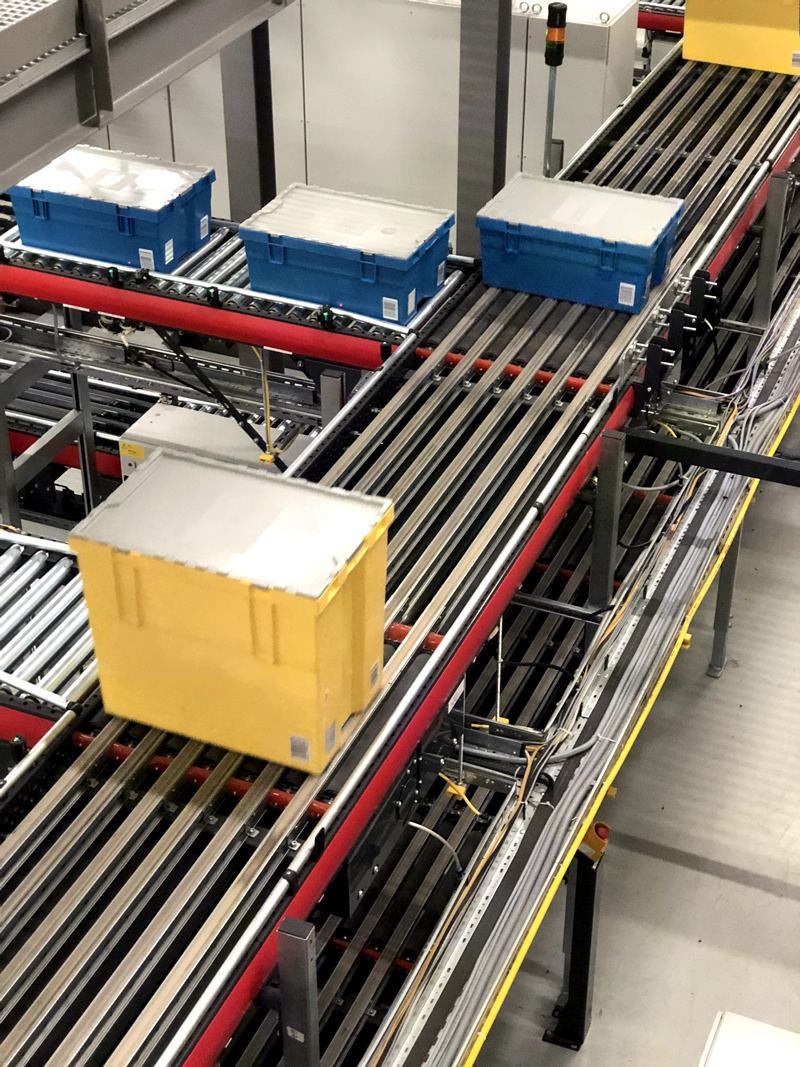
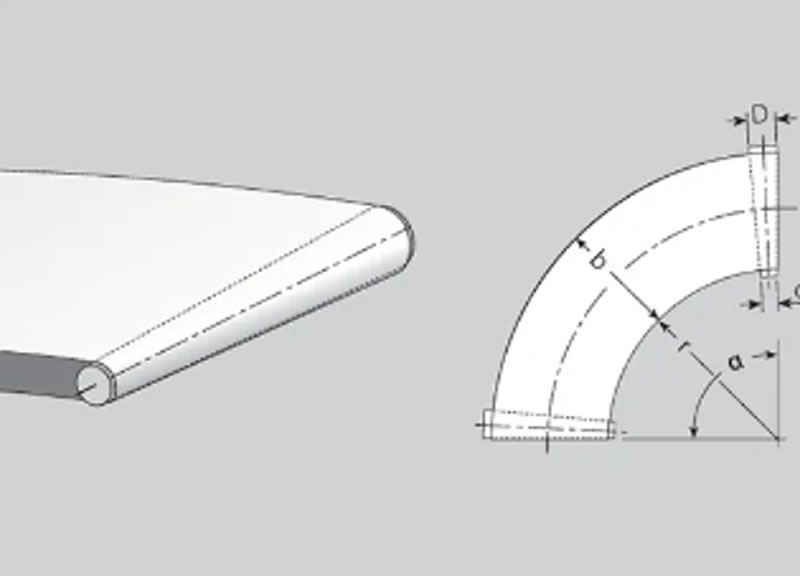
The structural design of Monty curve conveyor belts has extremely high lateral and longitudinal flexibility, ensuring optimal distribution of forces within the belt. Depending on the application, conical rollers or cylindrical rollers are used, or in some cases even knife edges or live knife edges.
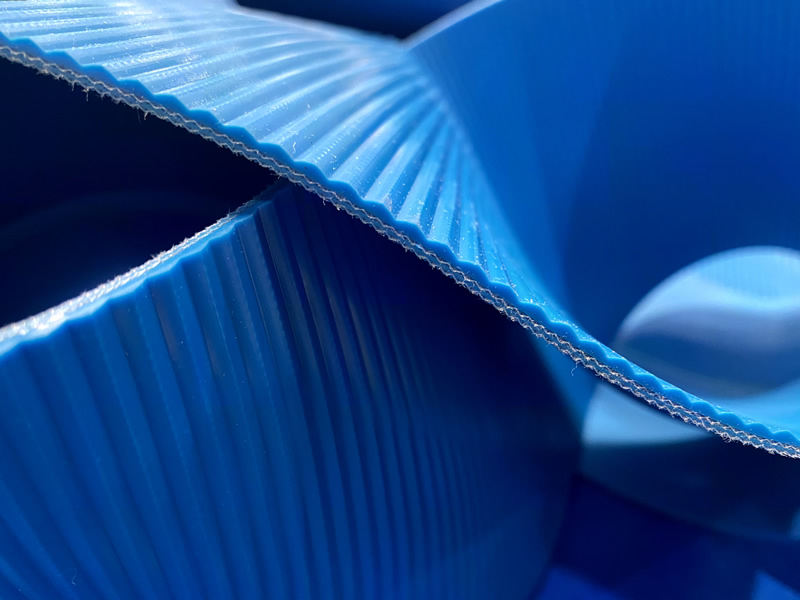
Curve conveyor belts can be manufactured in one section or multiple sections. Multi-section manufacturing improves the distribution of forces within the belt.
Curve conveyor belts can be perforated at the edges or fitted with eyelets for connection to tracking systems.
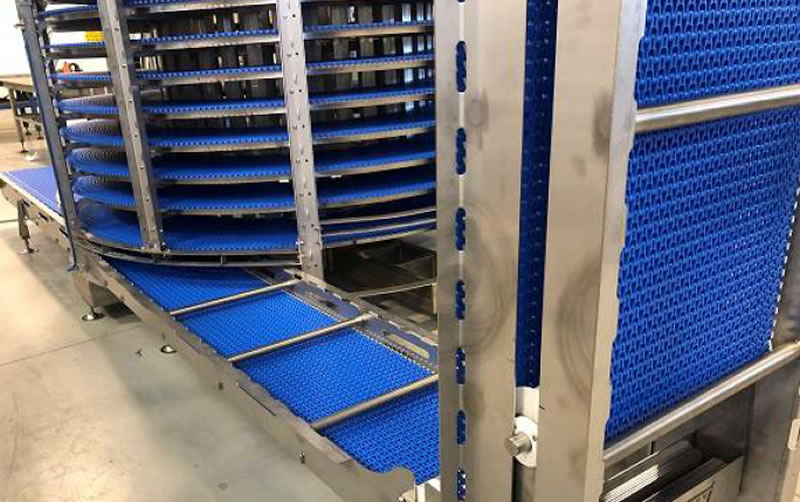
Telescopic loader belts — used here for unloading trucks — must be designed to run under reverse bending while also withstanding large concentrated loads. Spiral curve conveyors in the confectionery industry.
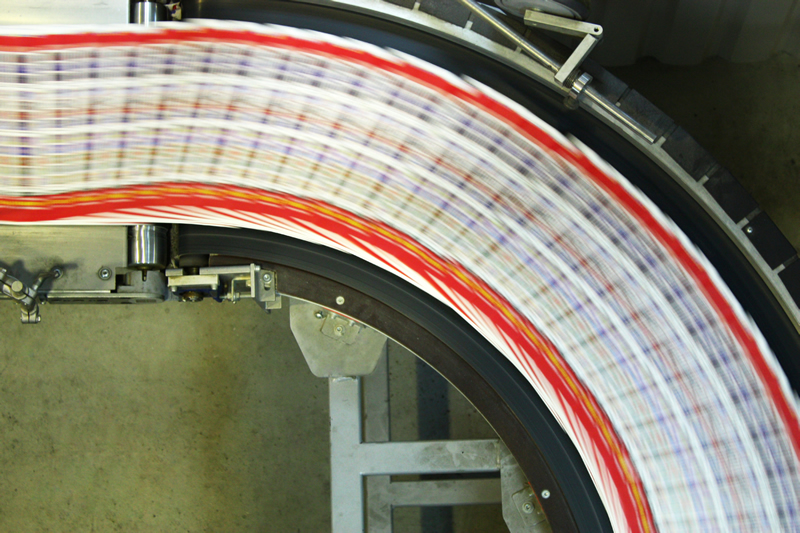
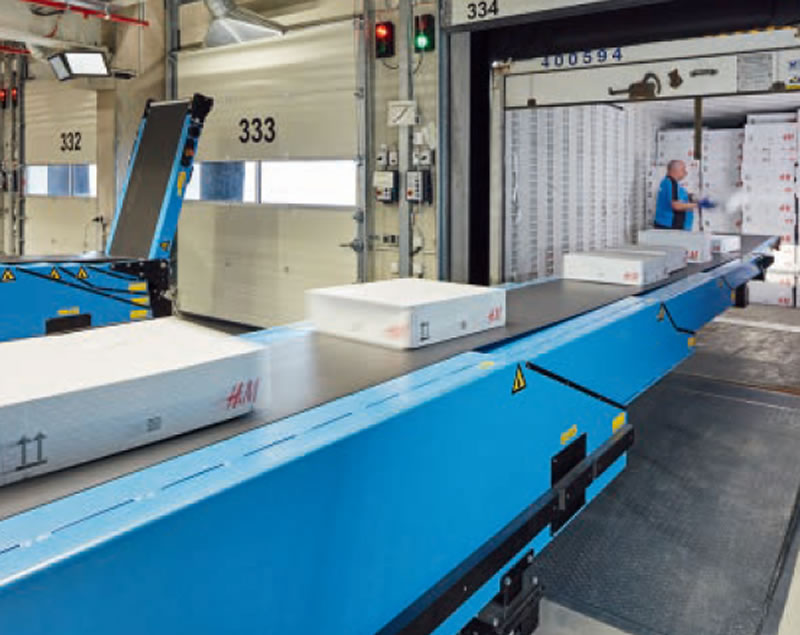
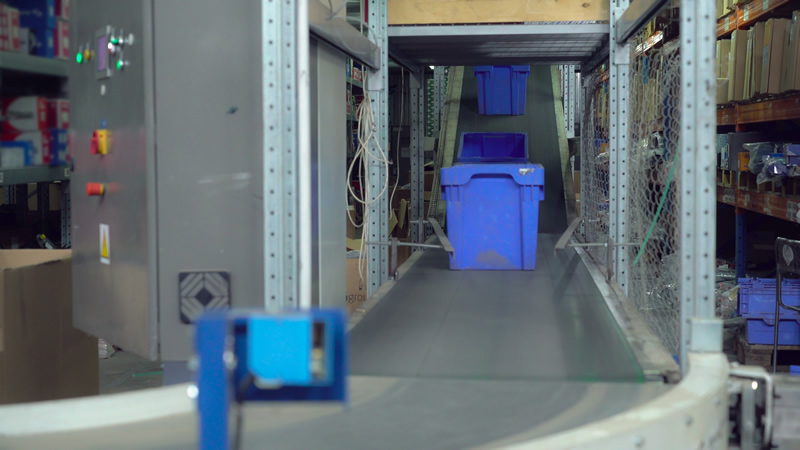
Curve conveyors in distribution centers.

 Technical Consultation
 Sales Consultation