
Photovoltaic equipment is a key component of solar power generation systems, and mainly includes silicon wafer equipment, cell equipment, and module equipment. Silicon wafer equipment is the core component; under light irradiation it generates charge carriers, converting light energy into electrical energy. Polycrystalline silicon and monocrystalline silicon are commonly used materials, manufactured through specific processes. Cell equipment processes silicon wafers into solar cells; through a series of chemical and physical treatments, it forms a PN structure with positive and negative electrical characteristics, as well as metal electrodes, thereby achieving the function of converting light energy into electrical energy. Module equipment assembles the cells into photovoltaic modules according to specifications and quantities, including processes such as wiring and encapsulation. The main function of photovoltaic modules is to protect and fix the cells, and to provide interfaces for connection and output of electrical energy.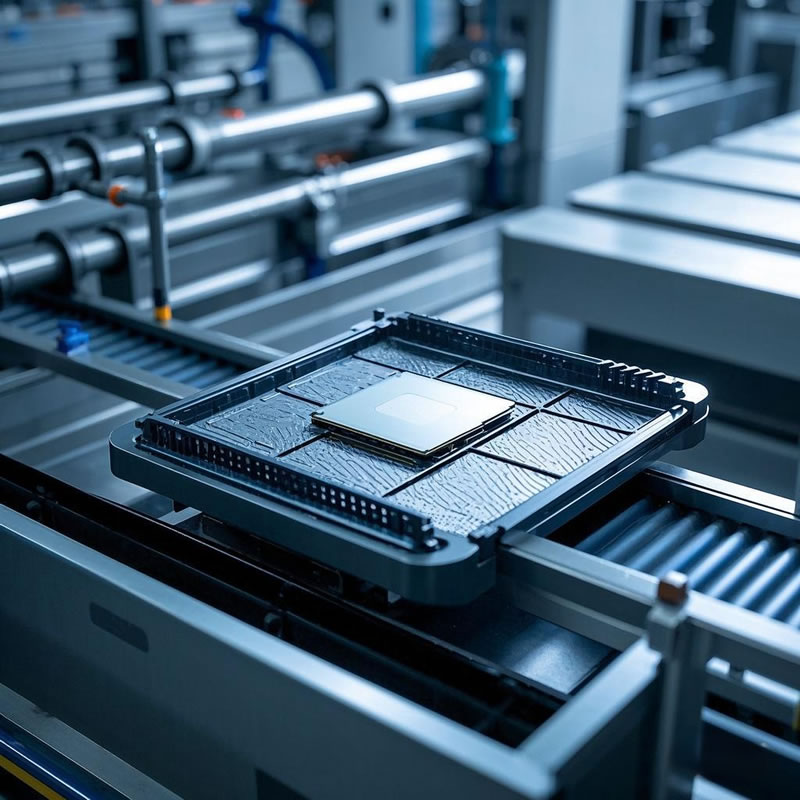
The photovoltaic equipment industry holds an important position in the renewable energy field. With the increasing global demand for clean energy, the photovoltaic equipment industry has also developed rapidly.
The development of photovoltaic equipment is mainly influenced by factors such as technological innovation, policy support, and market demand.
In terms of technology, the photovoltaic equipment industry continues to promote innovation in materials and processes, improving photoelectric conversion efficiency and module reliability. The R&D and optimization of polycrystalline silicon and monocrystalline silicon materials, the development of new thin-film solar cell technology, and the improvement of photovoltaic equipment manufacturing processes are all focuses of the industry.
Policy support is an important driving force for the rapid development of the photovoltaic equipment industry. Countries have successively introduced policies encouraging the development of renewable energy, including support measures in various aspects such as solar power generation subsidies, tax incentives, and energy policies and regulations.
The implementation of these policies has provided the photovoltaic equipment industry with broad markets and development opportunities. The growth of market demand is also an important factor driving the development of the photovoltaic equipment industry.
With the increasing global attention to environmental protection and sustainable development, the demand for clean energy shows a trend of rapid growth.
Especially in the power field, photovoltaic power generation has become an important alternative choice to traditional energy, and its market demand is continuously expanding.
Photovoltaic equipment refers to equipment used to convert light energy into electrical energy, mainly composed of silicon wafer equipment, cell equipment, and module equipment.
Silicon wafer equipment: It is one of the core components of photoelectric conversion. Silicon wafer equipment is usually manufactured using polycrystalline silicon or monocrystalline silicon and has good photoelectric conversion performance.
Among them, polycrystalline silicon is manufactured by melting silicon raw materials at high temperature, then controlling the cooling speed and adding impurities and other processes; while monocrystalline silicon is grown by the pulling and expansion method using monocrystalline silicon seed crystals.
Silicon wafer equipment, after light irradiation, generates charge carriers, thereby generating electrical energy.
Cell equipment: Cell equipment is the process of processing silicon wafers into solar cells. It mainly includes processes such as wafer cleaning, diffusion processes, etching, deposition of reaction layers, and metal electrode preparation.
In this process, the silicon wafer undergoes a series of chemical and physical treatments, forming a PN structure with positive and negative electrical characteristics, as well as metal electrodes.
This can effectively convert light energy into electrical energy and provide current and voltage.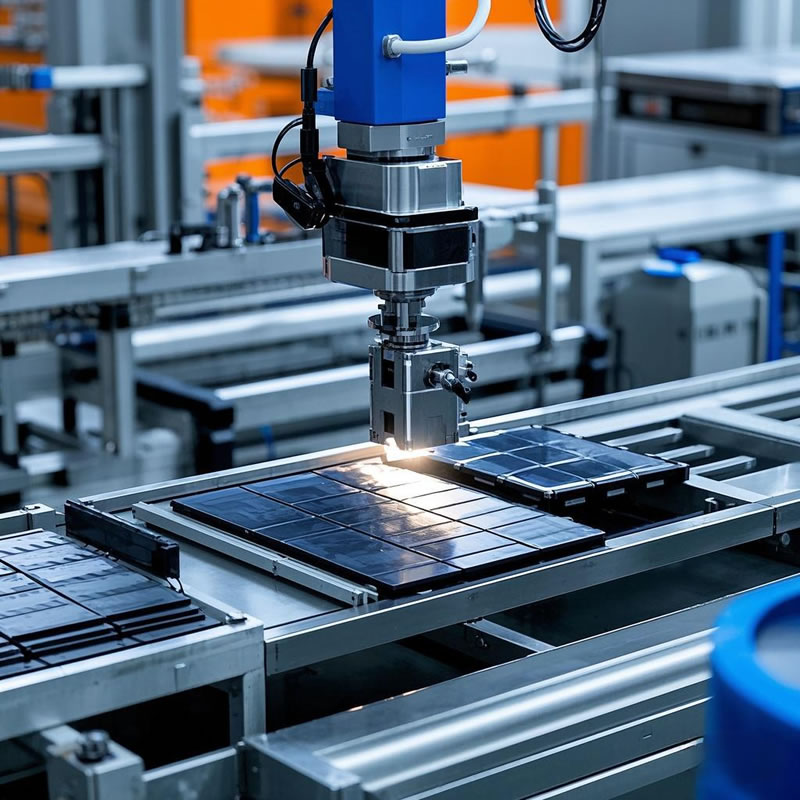
Module equipment: Module equipment consists of solar photovoltaic modules assembled from cells according to certain specifications and quantities. Module equipment mainly includes processes such as the wiring and encapsulation of photovoltaic cells.
Common types of photovoltaic modules include monocrystalline silicon modules, polycrystalline silicon modules, and thin-film modules, etc. The main purpose of module equipment is to protect and fix the cells, and to provide interfaces for connection and output of electrical energy.

In summary, Monty drive belts and conveyor belts are indispensable important components in their respective fields. Their quality and performance directly affect the normal operation and service life of the equipment.
Therefore, when purchasing and using these conveyor belts and drive belts, it is necessary to choose regular brands and suppliers and follow the relevant use and maintenance specifications.

 Technical Consultation
 Sales Consultation