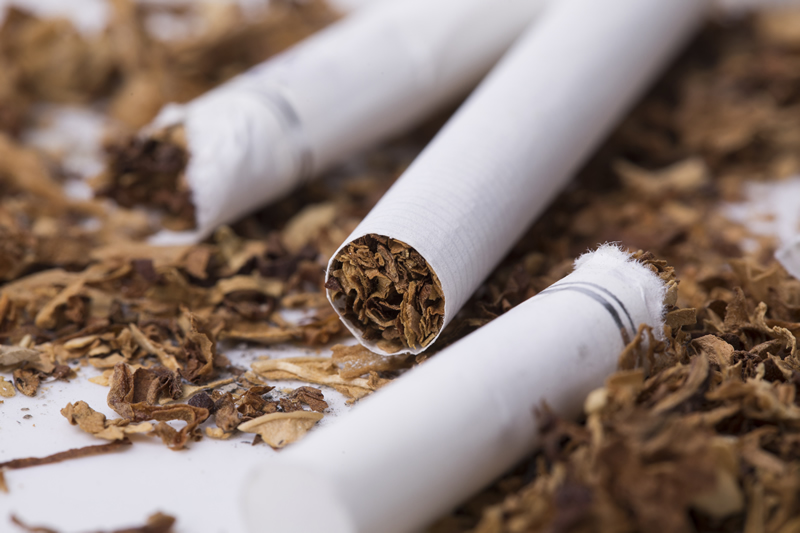
Monty conveyor and processing belts are suitable for the entire process, from tobacco harvesting, tobacco bale conveying, tobacco preparation, and cigarette manufacturing, to the conveying of packaging ready for sale.
In fresh tobacco leaf processing, primary processing, and secondary processing, the special challenges facing the belts are the constantly changing nature of the tobacco, temperature, and conveying requirements.
Monty belts include fabric carcass belts — Monty conveyor belts, Monty modular belts, Monty power transmission belts, or Monty timing belts — and are successfully used in many different applications.
Various customized finished products such as flights and sidewalls, as well as accessories such as belt scrapers, are further choices dedicated to specific applications. Combined with our global service, they achieve reliability across the full range of belt products.
Our Monty conveyor belts meet the strict pyrolysis requirements of the tobacco industry and also comply with the bulk food regulations (EU, FDA) that likewise apply to bulk tobacco. All Monty belt types suitable for the tobacco industry have the suffix TT added to their names (TT = tobacco type).
Monty products are effectively applied in many processing steps. You can find detailed information here: — Fresh tobacco leaf processing: Conveyor belts can be used in every process, whether tobacco leaf harvesting or natural or artificial drying, and whether natural, chamber, or machine fermentation is used.
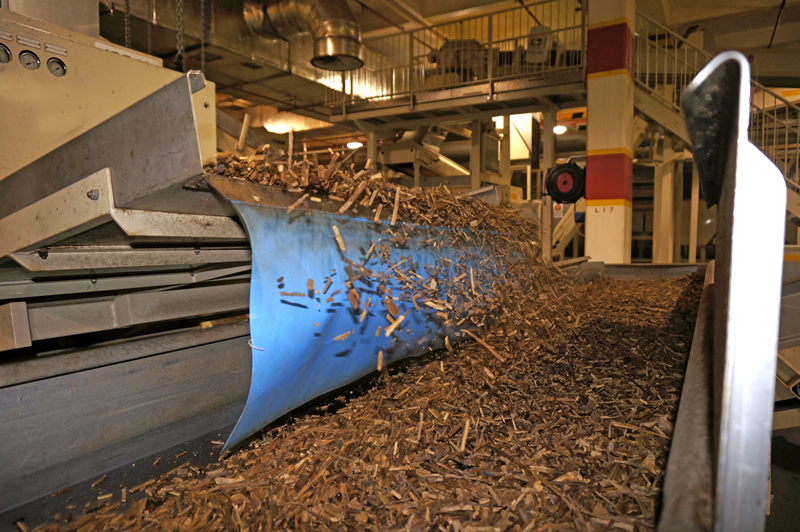
All of our conveyor and processing belts are of excellent quality and also have outstanding durability, ease of use, freedom from maintenance, and high efficiency.
Monty conveyor and processing belts are suitable for multiple applications in tobacco processing, ensuring reliable product conveying.

— TT Series: All Monty belt types suitable for the tobacco industry have the suffix TT added to their names (TT = tobacco type).
—All tobacco belt types meet the requirements of food safety and pyrolysis. Only polyolefin, polyester, or silicone belts can meet the stringent requirements of the tobacco industry.
— Compliance with pyrolysis requirements: The conveyor belts required by the tobacco industry contain no substances harmful to health during combustion, such as nitrogen, sulfur, chlorine, or fluorine.
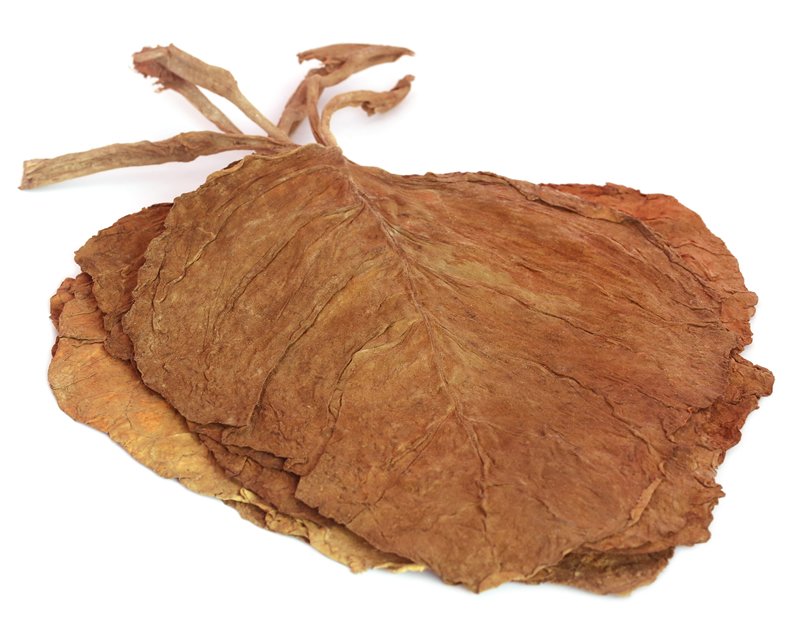
This is verified by pyrolysis tests, i.e., a combustion test of the belt at 800 °C in the absence of oxygen, after which the mass fraction of the combustion products is determined.
— Regulations: In accordance with FDA and EU regulations, plastics in direct contact with food should protect consumer health from harm caused by their substances.

When conveying tobacco, unwanted substances may transfer into the tobacco. Belt manufacturers must not only comply with the regulations but also follow the declaration of compliance.
We are committed to providing suitable belts for the tobacco industry. — Primary processing: We provide suitable belt solutions for all steps of tobacco primary processing, for example: slicing, conditioning, packaging, flavoring, cutting, drying, and expanding, as well as feeding to cigarette making machines.

Therefore, throughout the entire primary processing stage, tobacco can be conveyed safely and reliably. Different belt characteristics, such as good release properties or extreme strength, are decisive for our products.
Ideal sidewall belt types or curtain/covering materials are available for selection.
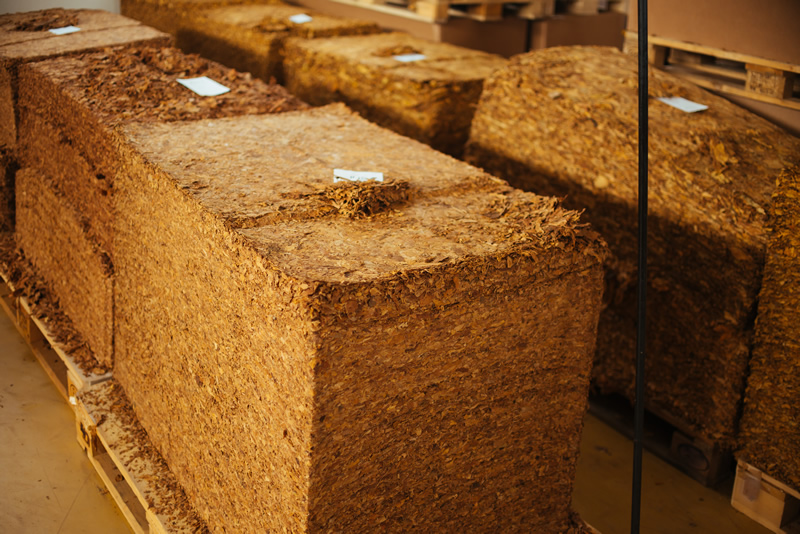
Monty conveyor and processing belts are suitable for multiple applications in tobacco processing, ensuring reliable product conveying.
Laterally rigid conveyor belts make the belt straighter and less prone to wrinkling. This characteristic is very important, especially for wide belts or gooseneck conveyors.
Special fabrics with multifilament warp and monofilament weft give the belt lateral rigidity.
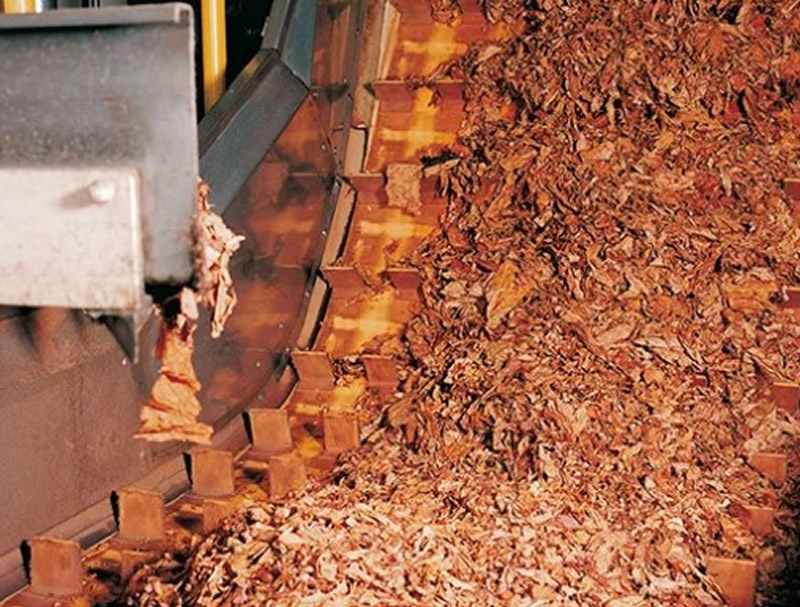
Laterally flexible belts trough easily, and this characteristic is essential for troughed conveyors. In this case, a fabric structure using soft multifilament for both the warp and the weft is adopted.
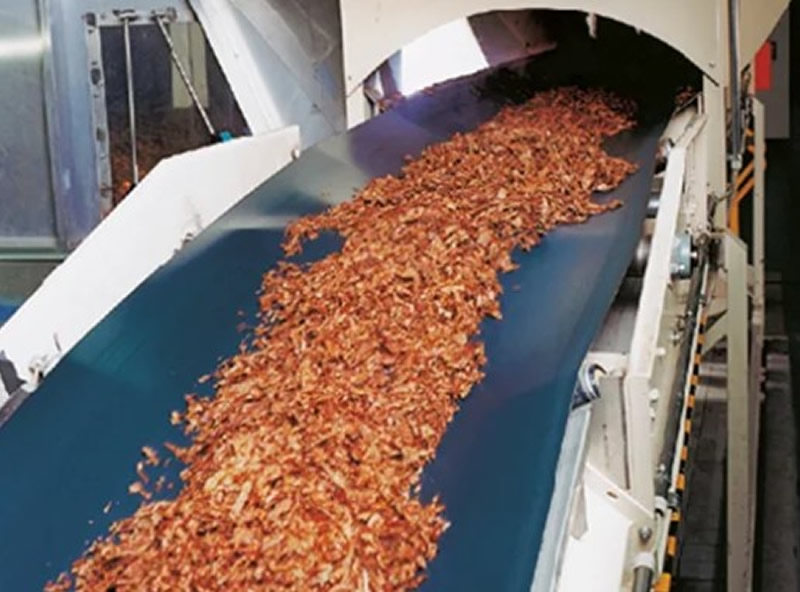
—Release properties depend on the physical properties of the surface, the surface pattern, and the type of product conveyed (oily or water-based).
Coatings with extremely low surface tension, such as polyolefins, have a natural anti-adhesion effect on polar products. Special coating patterns can influence product release, because the contact area of the product changes.
For any product, we can provide the conveyor belt solution with the best release properties.
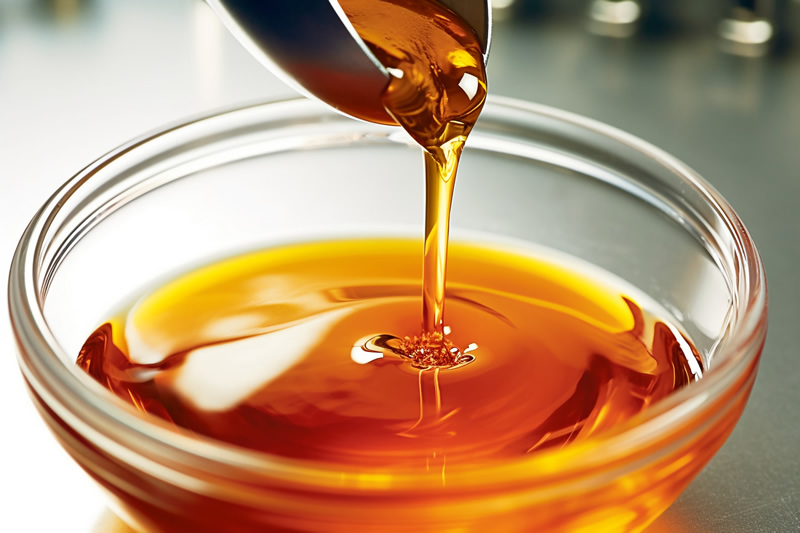
—Conveyor belts fitted with flights, used for inclined conveying, are an alternative to metal rakes and can therefore save costly setup time.
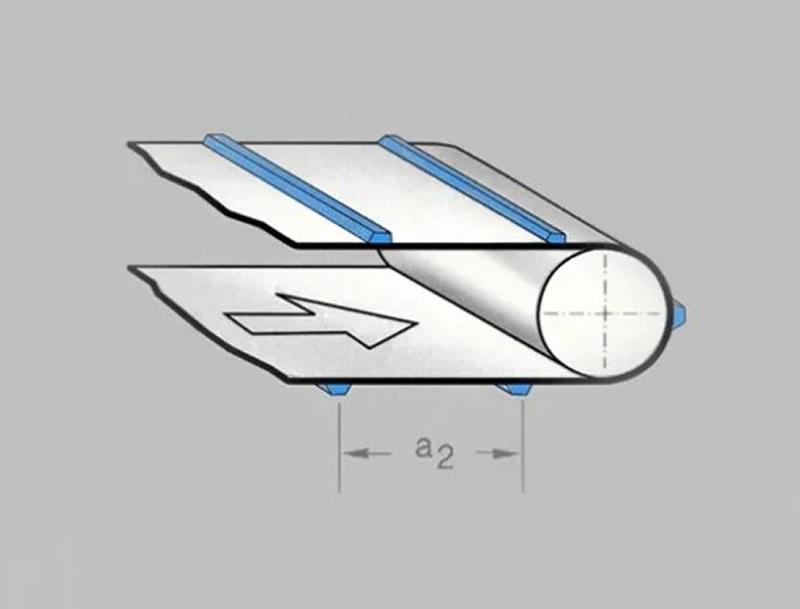
Polyester flights come in several shapes and sizes, some of which can be supplied in rolls.
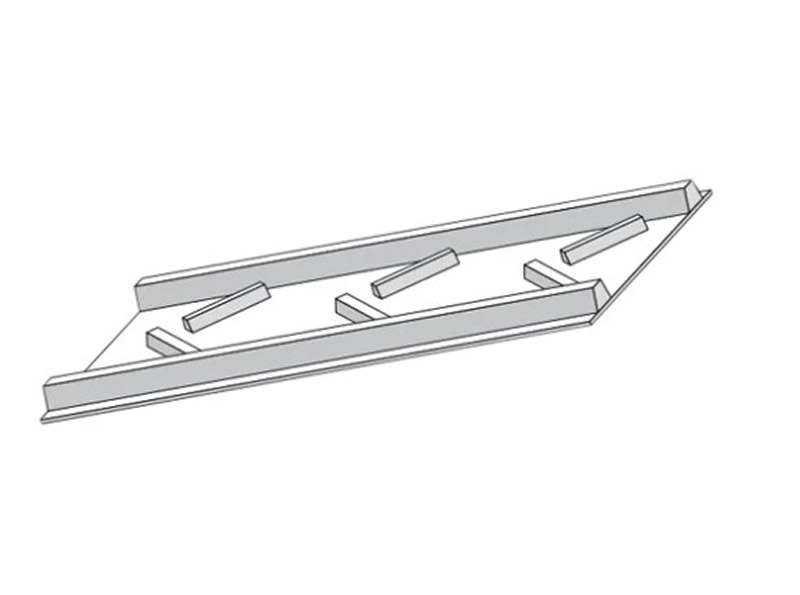
— The following flights are available: K-shaped flights (10–17 mm high) / LB flights / T-shaped flights (20–60 mm / 10 mm high) / curved flights (20–100 mm high) / rake-shaped flights (max.
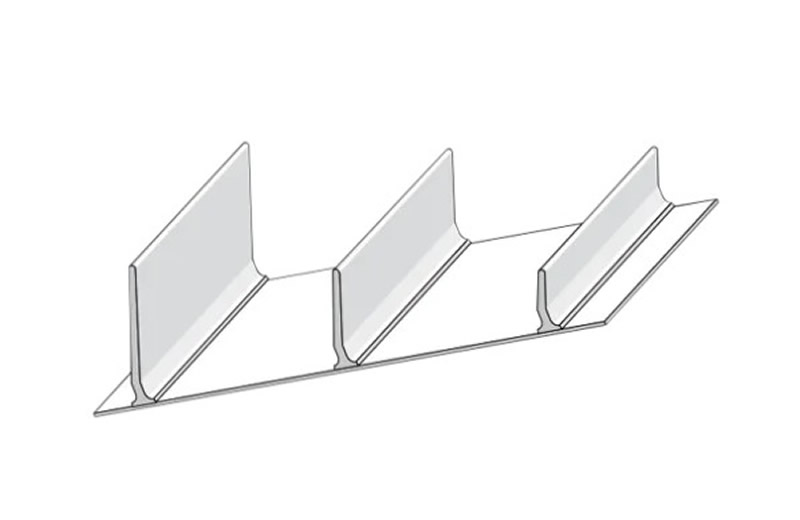
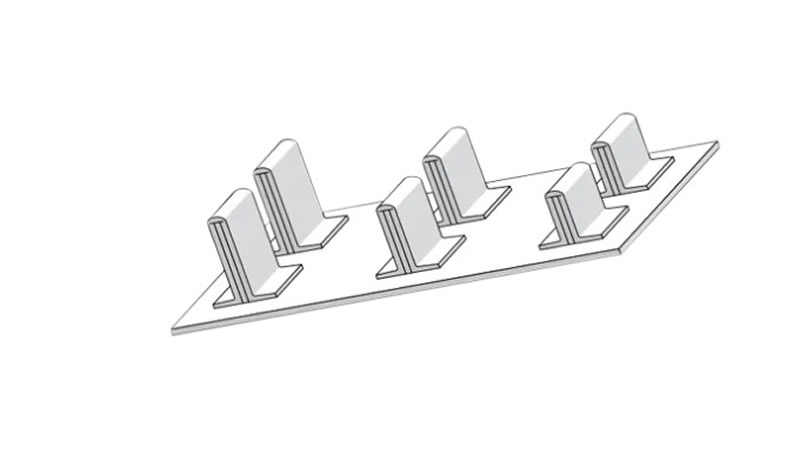
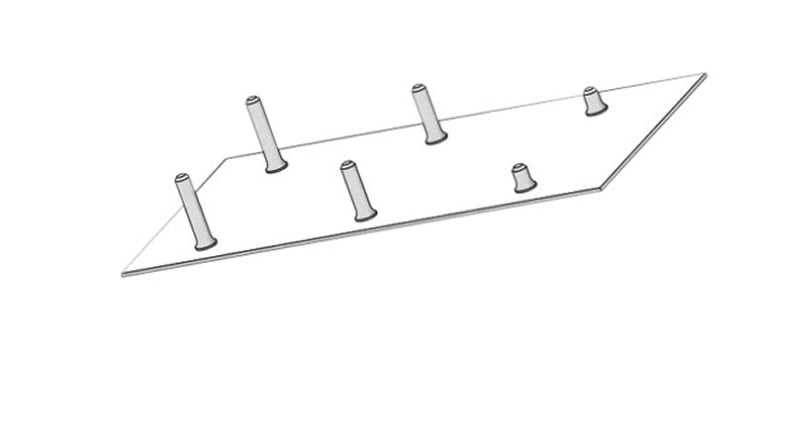
80 mm high). Especially for the requirements of the tobacco industry, sidewalls can be used for climbing and steep tobacco conveying.
Polyester sidewalls with heights of 40 mm to 80 mm are available for selection.
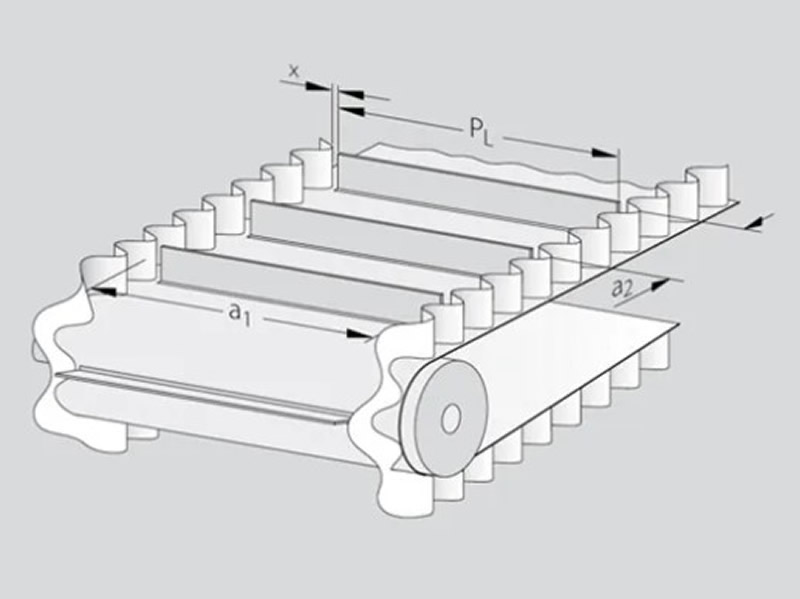
—Sidewall belts can keep fine, dry tobacco on the belt; the applicability of sidewall belts mainly depends on the actual operating conditions and the belt surface.
Monty can provide innovative, efficient solutions tailored to customer preferences.
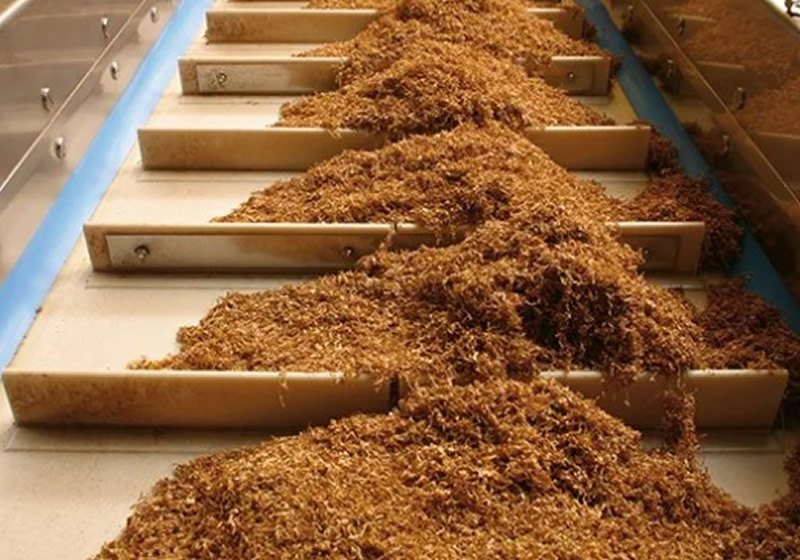
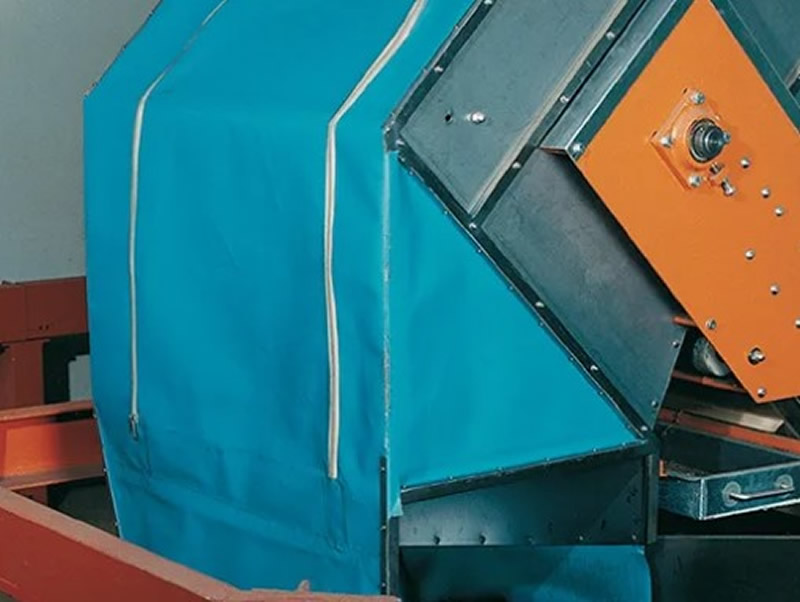
—Curtain/covering materials should always be used in the following situations: places where a large amount of dust occurs, for example at the junction of two conveyors, or places where steam is generated, for example at conditioning rollers.
Monty can provide alternatives in blue or beige. Polyurethane scrapers provide gentle and effective cleaning. Compared with rigid scrapers made of metal or hard plastic, Monty scrapers not only treat the belt surface gently but also cause no damage to the splice area.
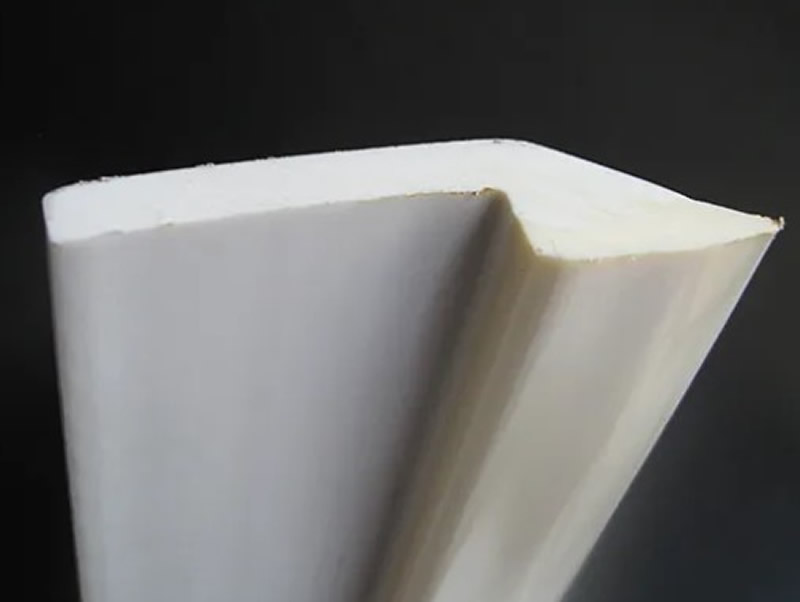
—The edge sealing of belts with sealed body edges prevents oil, grease, and water, and thus prevents bacteria from entering the belt.
The belt edges effectively prevent fraying. The successful application of this sealing method meets the strict hygiene requirements for conveyor belts made of synthetic materials with fabric tension members.

—When steam, high pressure, and high temperature occur, hydrolysis reactions take place.
However, due to their molecular chain structure, certain plastics, such as polyolefins or PVC, have very high hydrolysis resistance.
But when conveying hot, wet products or carrying out steam cleaning, even these plastics may hydrolyze. Then, peeling or delamination will appear on the surface.
Hydrolysis will lead to a decrease in mechanical strength.


 Technical Consultation
 Sales Consultation